



The United States and the Philippines have agreed to establish a 4,000-acre manufacturing zone aimed at strengthening supply chains for critical minerals and key manufacturing inputs, with the plan announced on April 17, 2026 under a joint initiative between the two countries.
The plan was unveiled by the U.S. Department of State as part of the Pax Silica Initiative, a broader program involving 13 partner nations aimed at advancing supply chain resilience and supporting the development of strategic industries, including mineral processing and advanced manufacturing.
Participating countries in the initiative include Japan, South Korea, Australia, India, and several Southeast Asian partners, positioning the program as a multilateral effort to strengthen industrial cooperation and supply chains.
The Philippines formally joined the initiative through the Department of Trade and Industry (DTI), with Trade Undersecretary and Board of Investments Managing Head Ceferino S. Rodolfo signing the declaration on behalf of the country.
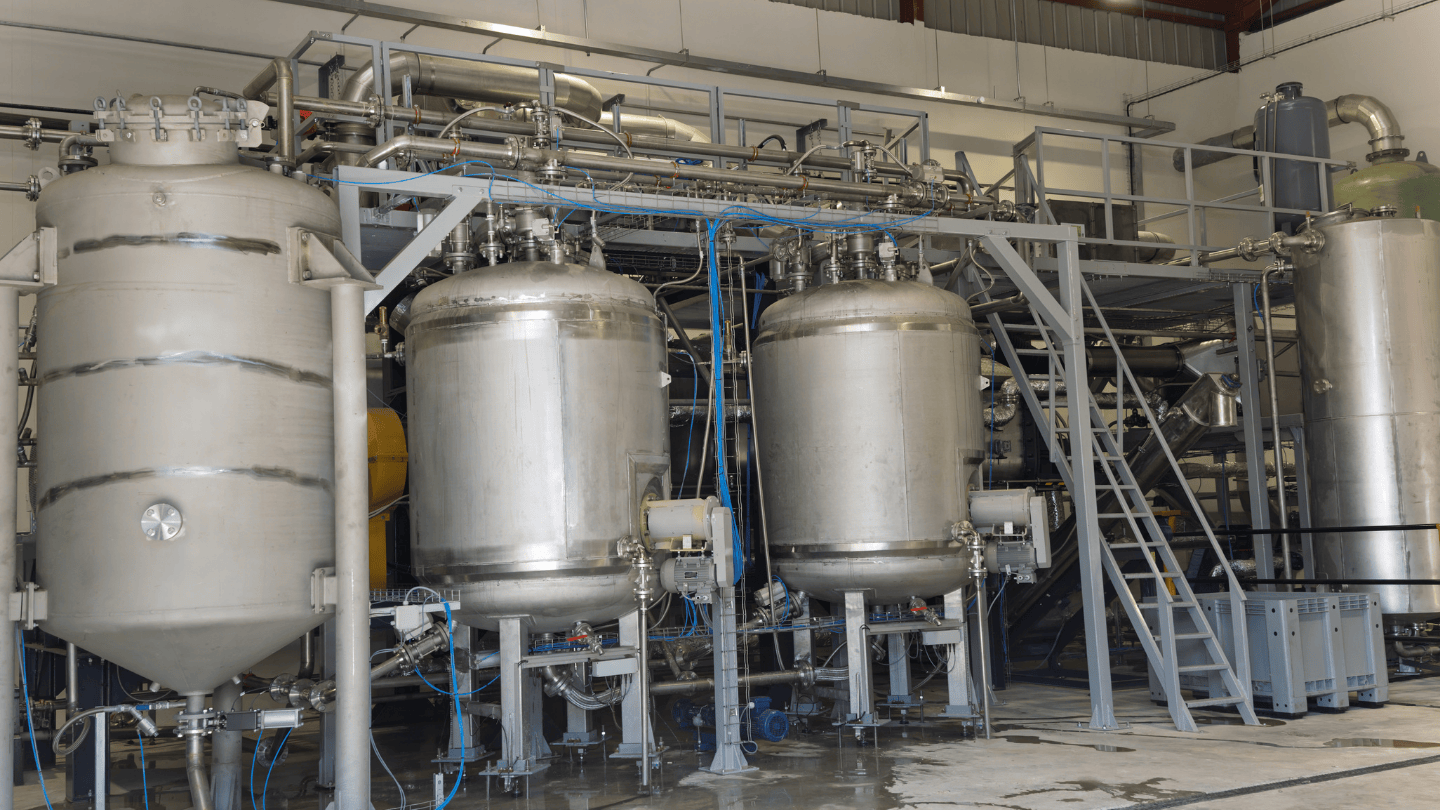
The planned facility will serve as a dedicated hub for industrial activities, with mineral processing and extraction expected to play a central role. It is being positioned as an “investment acceleration hub,” where specific operations will be shaped by market demand, host-country advantages, and the evolving needs of partner industries.
The Philippines is seen as a key location for the project, given its significant reserves of nickel, copper, chromite, and cobalt– all of which are materials widely used in energy storage, electronics, and renewable energy technologies. The site is expected to be located within the Luzon Economic Corridor, leveraging the country’s strategic position in the Indo-Pacific and its growing pool of skilled workers.
The manufacturing zone will be designated as an Economic Security Zone, a new model aimed at accelerating investments and supporting the development of supply chains tied to emerging technologies and industrial demand. Philippine authorities, including the Bases Conversion and Development Authority (BCDA), are expected to play a role in site development within the corridor.
Companies are expected to be invited to submit proposals to participate in the development of the hub, with projects likely to focus on expanding mineral processing capabilities and strengthening manufacturing capacity.
Under the proposed model, mineral resources sourced in the Philippines may be processed locally before being exported for use in manufacturing, forming part of an integrated supply chain between the two countries.
The establishment of the manufacturing zone signals a continued push to expand industrial collaboration and develop supply chain infrastructure in the region.
How could large-scale manufacturing zones reshape the Philippines’ role in global supply chains?
Follow Ang Minero on Facebook and LinkedIn for more updates.
jacktoto
jacktoto>
slotgacor
jacktoto
jacktoto
jacktoto
jacktoto
jacktoto
jacktoto
jacktoto
jacktoto
jacktoto
jacktoto
jacktoto
jacktoto
jacktoto
jacktoto
jacktoto
jacktoto
jacktoto
jacktoto
jacktoto
jacktoto
jacktoto
jacktoto
jacktoto
jacktoto
jacktoto
jacktoto